
Loading your page…
Loading your page…
Published by European Respiratory Society
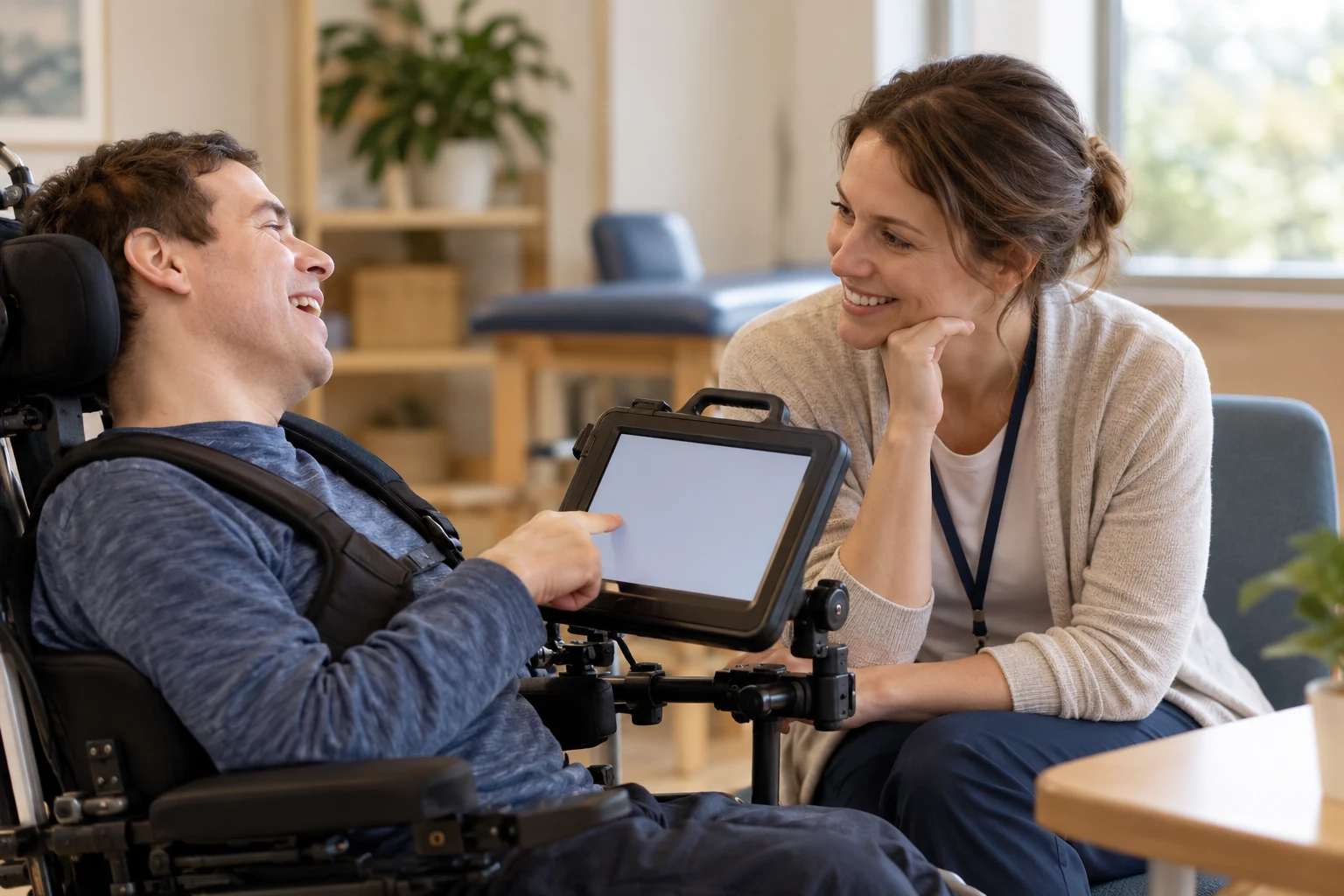
In summary, the current best practices in the facilitation and enhancement of communication among persons with severe disabilities reflect six major tenets: (a) communication is social behavior; (b) effective communicative acts can be produced in a variety of modes; (c) appropriate communicative functions are those that are useful in enabling individuals with disabilities to participate productively in interactions with other people; (d) effective intervention must also include efforts to modify the physical and social elements of environments in ways that ensure that these environments will invite, accept, and respond to the communicative acts of persons with severe disabilities; (e) effective intervention must fully utilize the naturally occurring interactive contexts (e.g., educational, living, leisure, and work) that are experienced by persons with severe disabilities; and (f) service delivery must involve family members or guardians and professional and paraprofessional personnel. These six tenets have resulted in assessment, intervention, and service delivery models that offer maximum responsiveness to the need to establish communicative repertoires that will allow persons with severe disabilities to function effectively in least restrictive environments--in productive interactions with others.